Bar With Private Room Ideas for Holiday Office Parties
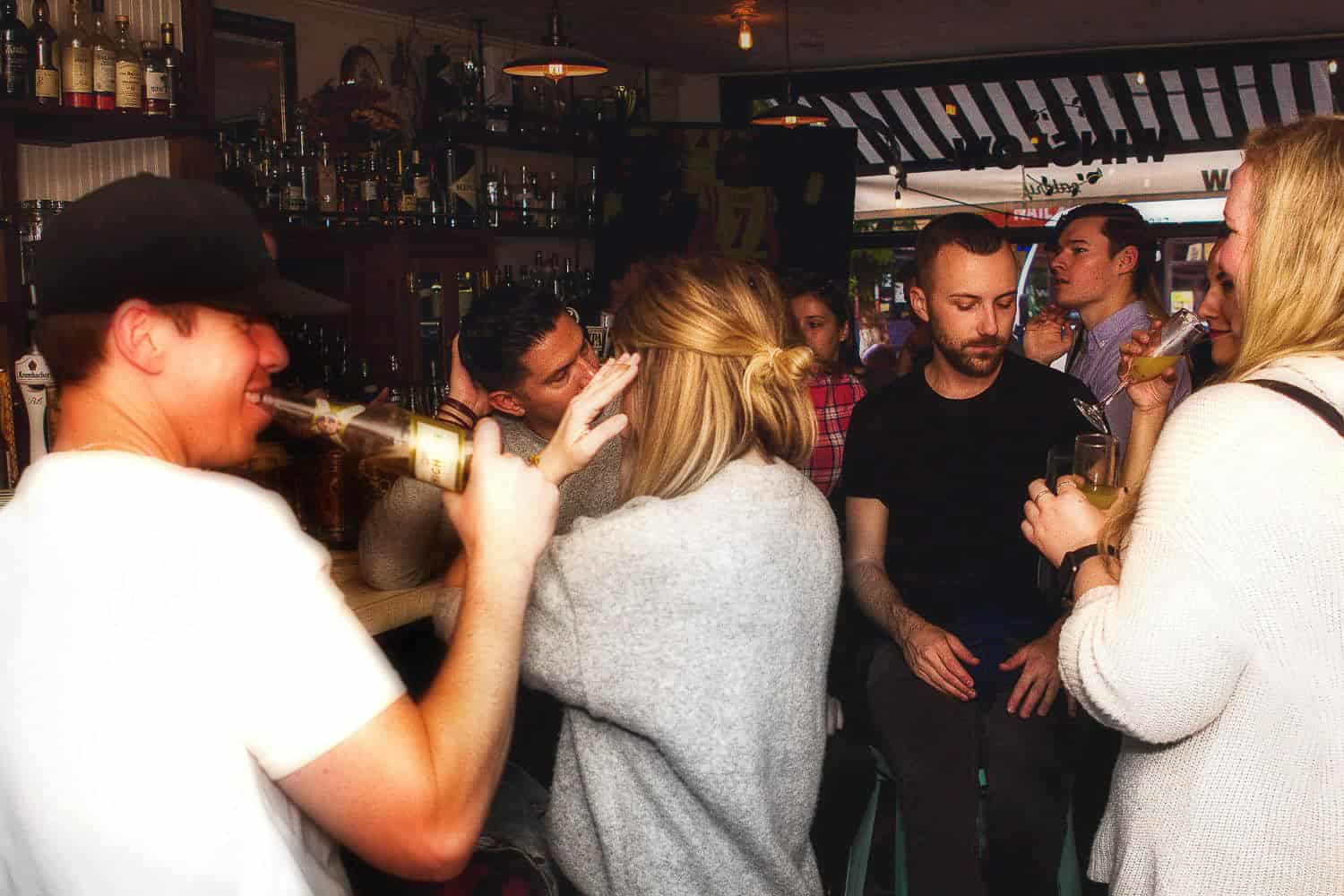
Holiday office parties are deceptively hard to get right. The event has to feel festive without becoming sloppy, generous without looking wasteful, and social without forcing awkward team bonding. That balancing act is why so many organizers land on the same answer: a bar with private room access.
It is easy to see the appeal. You get the energy of a nightlife venue, the convenience of an established food and beverage operation, and a separate space where coworkers can talk without competing with strangers at the next table. When it works, the evening feels polished and relaxed at the same time. When it does not, the private room can turn into an overpriced side chamber with bad acoustics, a weak menu, and nowhere to put coats.
The difference usually comes down to planning details that are easy to miss on the first venue tour. A smart host does not just ask whether a venue has a private room. They ask what kind of room, what kind of service, and what kind of experience the team will actually have once everyone shows up in winter coats, with dietary restrictions, varying levels of enthusiasm, and a boss who wants a short thank-you speech at 7:15 sharp.
Why a private room changes the tone of a holiday party
A regular happy hour at a busy bar can work for small groups, especially close-knit teams that do not mind noise and informal seating. Holiday office parties are different. They usually involve a wider mix of personalities and expectations. You may have leadership, new hires, remote staff visiting town, and a few people who would rather leave quietly after one drink than shout over music for three hours.
A private room solves several problems at once. It creates a home base. People know where to https://thewinslow.blogspot.com/ gather, where to find their group, and where to set down a handbag or trade a serious work conversation for a more relaxed one. It also gives the company more control over the pacing of the night. If there is a toast, gift exchange, year-end recognition, or short presentation, it can happen without hijacking a public bar.
There is also a practical dignity to a private space. Employees can mingle more freely when they do not feel on display. That matters more than many planners realize. Teams open up when they are not wedged between a birthday party and a sports crowd.
From a hosting perspective, a bar with private room options often hits the sweet spot between a full restaurant buyout and a bland conference room event. It feels celebratory, but it still has structure.
The best private room setup depends on the kind of team you have
Not every office party needs the same room. A 20-person creative team that likes cocktails and conversation needs a different environment than a 75-person sales group that expects music, passed appetizers, and a little late-night momentum. The venue should match the social style of the people attending, not the organizer’s personal tastes.
For smaller teams, a lounge-style private room often works best. Low seating, a dedicated bartender, and a compact menu can create a warm, easy atmosphere. People circulate naturally, and no one feels trapped at a banquet table. These rooms do particularly well for teams in the 12 to 30 range.
Mid-sized gatherings usually benefit from a flexible room that supports both standing and seated moments. A mix of cocktail tables, perimeter seating, and one central service area allows guests to drift. If the company wants a welcome speech or a short awards moment, the room should have a focal wall or at least enough open space to gather attention without feeling theatrical.
Large office parties need more than square footage. They need flow. One of the most common mistakes is choosing a room that technically fits 80 standing guests but feels congested once winter coats, buffet stations, and drink service are added. For guest counts above 50, the right room often has separate zones for entry, bar service, food, and mingling. If those zones overlap, lines form quickly and the party starts to feel like an airport gate.
Venue styles that work especially well for holiday events
The phrase bar with private room covers a wide range of places, and those differences matter. A polished cocktail bar may impress clients or executives, but it can intimidate younger staff or anyone who does not know what an amaro spritz is. A neighborhood tavern with a back room may be warmer and more approachable, though less dramatic.
Some of the strongest holiday venues I have seen fall into a few broad categories:
- Cocktail bars with semi-formal private lounges, best for polished events with 15 to 40 guests
- Gastropubs with enclosed dining rooms, ideal for mixed-age teams that care about substantial food
- Hotel bars with event rooms, strong for companies hosting out-of-town employees or needing professional AV
- Breweries or distillery bars with private event spaces, good for casual cultures and larger standing receptions
- Rooftop or view-driven bars with indoor private rooms, useful when the goal is visual impact and a true year-end treat
Each type comes with trade-offs. Cocktail bars usually shine on drinks and atmosphere, but food can be limited. Breweries often have plenty of room, though the acoustics can be rough and the drinks may skew beer-heavy. Hotel bar spaces tend to be the easiest to coordinate because event staffing is standardized, but they can feel more corporate if the room design lacks warmth.
The right answer often depends less on trendiness and more on guest behavior. If your crowd values conversation, choose softness, seating, and good sound control over a wow-factor skyline. If your team wants a party, then a room with some energy, a dedicated sound system, and a looser floor plan may matter more than a chef-driven menu.
Food and drink decisions shape the mood more than decor
People remember whether they were hungry, whether the bar was backed up, and whether they could find something they actually wanted to drink. They do not usually remember the color of the napkins.
For office holiday parties, the strongest menu format is often a hybrid. Start with substantial passed bites during arrival, then add either a grazing station or a compact buffet with recognizable, crowd-pleasing food. If the event runs longer than two hours and alcohol is being served, there needs to be enough real food to absorb it. Tiny canapés may look elegant on paper, but they rarely satisfy a room full of people who came straight from work.
Drink service deserves equal care. A fully open bar sounds generous, yet it can be inefficient if the venue is understaffed or the drink menu is too complex. A curated package with beer, wine, and a few batched seasonal cocktails often works better than asking one bartender to make espresso martinis for 45 guests. Speed matters. Nobody wants to spend a third of the party in line.
There is also a cultural point here. A holiday office party should never make non-drinkers feel like an afterthought. A serious venue will offer festive zero-proof options that feel intentional, not just soda water with lime. That small detail signals that the evening is for everyone, not only the people who drink.
I have seen organizers rescue an average room with great hospitality choices, and I have seen beautiful venues fall flat because the menu was too sparse and the bar service collapsed under demand. Practical generosity beats decorative ambition almost every time.
Room features worth asking about before you book
Private rooms vary wildly in how private they really are. Some are fully enclosed with doors and dedicated staff. Others are curtained alcoves near the main bar, fine for a birthday group but poor for company remarks or confidential conversation.
Before committing, ask direct questions and do not rely on the phrase private event space alone. You want to know whether your guests will hear the main room’s music, whether outside patrons can wander in, and whether your group gets exclusive use of the bar inside the room, if there is one.
A short list of high-value questions can save a lot of trouble:
- Is the room fully enclosed, semi-private, or sectioned off within the main venue?
- What is the seated capacity versus the realistic standing capacity with winter coats and food stations?
- Will there be dedicated staff for the room, including bartenders and servers?
- Can the music level be adjusted inside the space?
- What is included in the minimum spend, and what triggers extra fees?
The last question matters more than people expect. Venues quote numbers in different ways. One room may have a $3,500 food and beverage minimum before tax and service. Another may require a room fee on top of that. Another may count only preordered items toward the minimum, not bar tabs placed on site. Those details create unpleasant surprises if they are not clarified early.
Holiday logistics are where good plans earn their keep
December brings its own headaches. Weather is unpredictable, calendars are crowded, and public transit or rideshare demand spikes on peak party nights. A venue that seems charming in October can become a headache in mid-December if guests have nowhere to queue indoors or the coat check is just a spare rack by the host stand.
If possible, visit the room at the same time of day your event will be held. A place that feels calm at 3:00 p.m. May be deafening by 6:30. Watch how staff move through the space. Notice whether bathrooms are close enough for convenience but not so close that the room feels like a hallway annex. Look at the entrance. If your guests arrive all at once from the office, is there room for greeting, check-in, or gift drop-off?
Timing deserves real thought as well. For many teams, a 6:00 to 9:00 p.m. Format is ideal. It catches people after work, gives enough time for a real event, and lets those who want to continue elsewhere do so on their own. Pushing too late can narrow attendance, especially for parents, commuters, or employees with multiple social commitments during the season.
Weeknights are often easier to book and less expensive than Fridays or Saturdays. A Wednesday event can feel surprisingly lively if the room is good and the company covers enough food and drinks. That extra budget room can be better spent on a stronger package than on a premium date.
Design ideas that elevate the room without overproducing it
Most private bar rooms do not need heavy décor. The venue already supplies mood through lighting, glassware, textures, and background energy. Adding too much can make the event feel forced, or worse, interfere with service.
The smartest holiday styling tends to be restrained. Warm florals, candlelight if permitted, subtle seasonal greenery, and one intentional branded touch usually go further than giant props or novelty centerpieces. A simple welcome sign outside the room can help late arrivals find the group. Customized cocktail napkins or a printed drink menu can add personality without clutter.
If the company wants photos, set up one clear area for them rather than trying to decorate every surface. A small corner with flattering light, a clean backdrop, and enough room for groups of four to six works better than an oversized holiday installation that blocks traffic.
Music also functions as design, even if nobody calls it that. If the room has its own sound control, build a playlist that suits the company’s culture and the event’s arc. Early on, keep it social and mid-tempo. Later, let it lift a little if the crowd responds. If speeches are planned, schedule them before the room gets too loud and before guests are on their third drink.
Matching the party format to the company culture
This is where many well-meaning planners miss. A holiday office party is still a work-adjacent event. Even in a festive setting, employees are reading the room. They are watching how formal leadership is, whether plus-ones are included, whether the tone is celebratory or performative, and whether attendance feels optional in reality or only in theory.
A bar with private room access can support very different kinds of gatherings. A law firm may want a refined evening with reserved seating, passed champagne, and a short recognition program. A startup may prefer an open-format event with games, a DJ in the later hours, and more playful food service. Neither is inherently better. Problems begin when the venue signals one style and the company behaves like another.
If your team is mixed in age and role, avoid making the evening hinge on one activity that everyone has to enjoy. Trivia can split a room. Karaoke is loved by 15 percent of people and dreaded by the other 85 percent. A strong private room allows organic interaction without requiring performance.
One of the best office holiday gatherings I attended used a simple formula: cocktails on arrival, substantial shared food, a ten-minute thank-you from leadership, and then unstructured time in a beautifully lit private room with enough seating and a genuinely good playlist. People stayed because they were comfortable, not because they were commanded to participate.
Budgeting with realism, not wishful thinking
Holiday party budgets stretch further when organizers understand where the money actually goes. The room itself may seem affordable until service charges, tax, upgraded bar packages, AV rentals, coat check staffing, and overtime start stacking on top.
A useful way to think about value is cost per genuinely happy guest, not cost per head in a spreadsheet. An event with a slightly higher package price can be a better deal if the room is easier to access, the service is sharper, and the food prevents an after-party migration to a fast-casual spot down the block.
As a rough planning frame, private room events at bars often become more economical than full restaurant dinners once the guest count rises past a certain point, especially if the group is social and does not need everyone seated for the full event. But bargain hunting can backfire. A cheap room minimum sometimes hides weak staffing or menu limitations that make the evening feel skimpy.
When budgets are tight, cut complexity before you cut hospitality. Offer a shorter bar window rather than a thin food spread. Choose beer, wine, and one house cocktail rather than a fully customized mixology menu. Skip elaborate swag in favor of better desserts or a late-evening snack. Guests notice comfort and abundance in immediate ways.
Small touches that make the night run smoothly
The events that feel effortless usually have several invisible decisions behind them. Name tags, for example, can help at larger gatherings where departments do not mix often, but they need to be handled tastefully. Coat check sounds minor until 40 people are trying to leave at once. A designated host from the company can solve five problems before they become ten by greeting guests, directing late arrivals, and serving as the point person for venue staff.
If your group includes remote employees visiting for the holidays, think about how they will enter the room socially. A private event space can either help them fold in or leave them isolated if cliques immediately form. A brief welcome from a manager and intentional introductions in the first half hour go a long way.
Gift exchanges, bonuses, or recognition moments should be timed with care. Too early and the room feels stiff. Too late and nobody can hear. In most bar settings, somewhere around 45 minutes after arrival works well. People have a drink in hand, but the room has not tipped into full-volume conversation.
The best holiday parties feel considered, not overengineered
There is a reason companies keep coming back to the private-room bar format. It offers what office celebrations usually need most: flexibility, atmosphere, and a sense of occasion without the rigidity of a banquet hall. A good bar with private room options can make a year-end gathering feel warm, adult, and genuinely enjoyable.
The strongest choices are rarely the flashiest. They are the venues that understand service, give your team room to relax, and support the practical realities of a winter event. Good food, easy conversation, comfortable flow, and a little festive polish are enough. Once those pieces are in place, the party does not have to strain for chemistry. People create that part themselves.
That is the real goal. Not a perfect Instagram backdrop, not a heroic event-planning performance, just a room where colleagues can close out the year feeling appreciated and at ease. When a holiday office party achieves that, people remember it for the right reasons.
The Winslow
Address: 243 E 14th St, New York, NY 10003
Phone number: +12127777717
FAQ About Bar With Private Room
Which bars in NYC offer private rooms?
Many bars in New York City offer private and semi-private rooms for parties and events, ranging from hidden basement speakeasies to upscale lounge spaces. Top options include The Back Room on the Lower East Side, Dear Irving Gramercy, Pebble Bar in Midtown, Mister Paradise in the East Village, and The Winslow in the East Village.
What is a private room in a pub called?
A small, private seating area or partitioned booth in a traditional pub is most commonly called a snug. Larger private rooms used for events, parties, or dining are typically referred to as private dining rooms, function rooms, or back rooms.
How much does a 2 hour open bar cost?
A 2-hour open bar generally costs between $15 and $45 per person, depending heavily on the quality of alcohol you choose. For a standard group of 100 guests, this translates to an overall cost of $1,500 to $4,500 before taxes, setups, and staff gratuities.