Gin Bar NYC Favorites Every Cocktail Lover Should Know
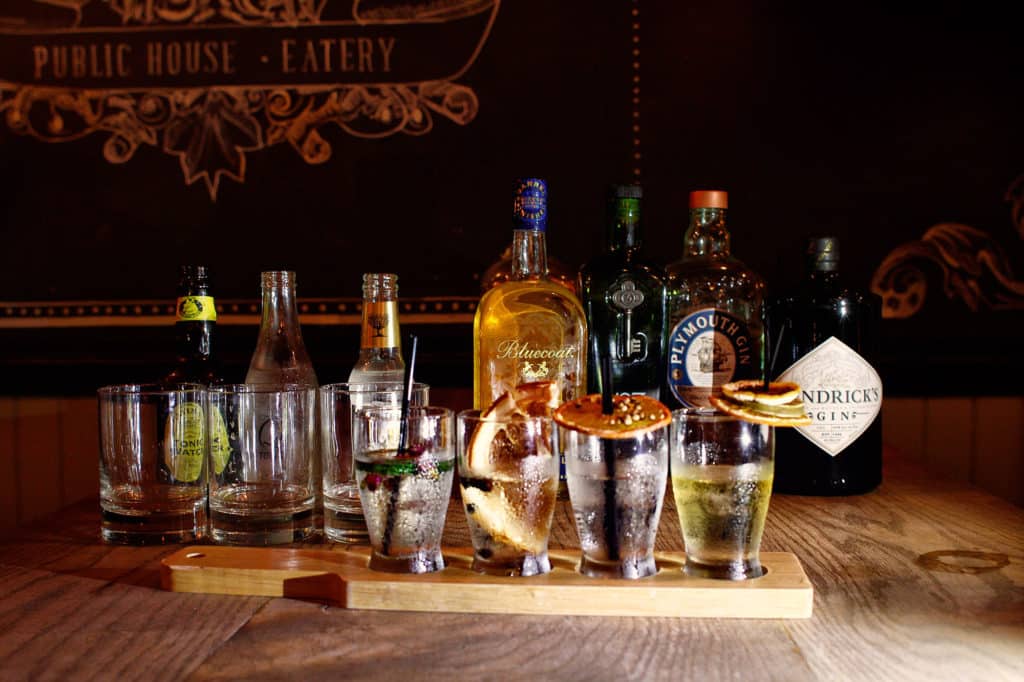
New York has never needed to shout about gin. It simply pours it well.
For all the noise around whiskey dens, agave bars, and natural wine spots, the city’s best gin drinking often happens in rooms that are a little more self-possessed. The light is low. The back bar is thoughtful instead of crowded. Martinis arrive very cold, often with a level of precision that tells you the staff has argued, tested, and recalibrated every detail from dilution to garnish. If you are looking for the heart of the Gin Bar NYC scene, that is where you find it, not in novelty, but in discipline.
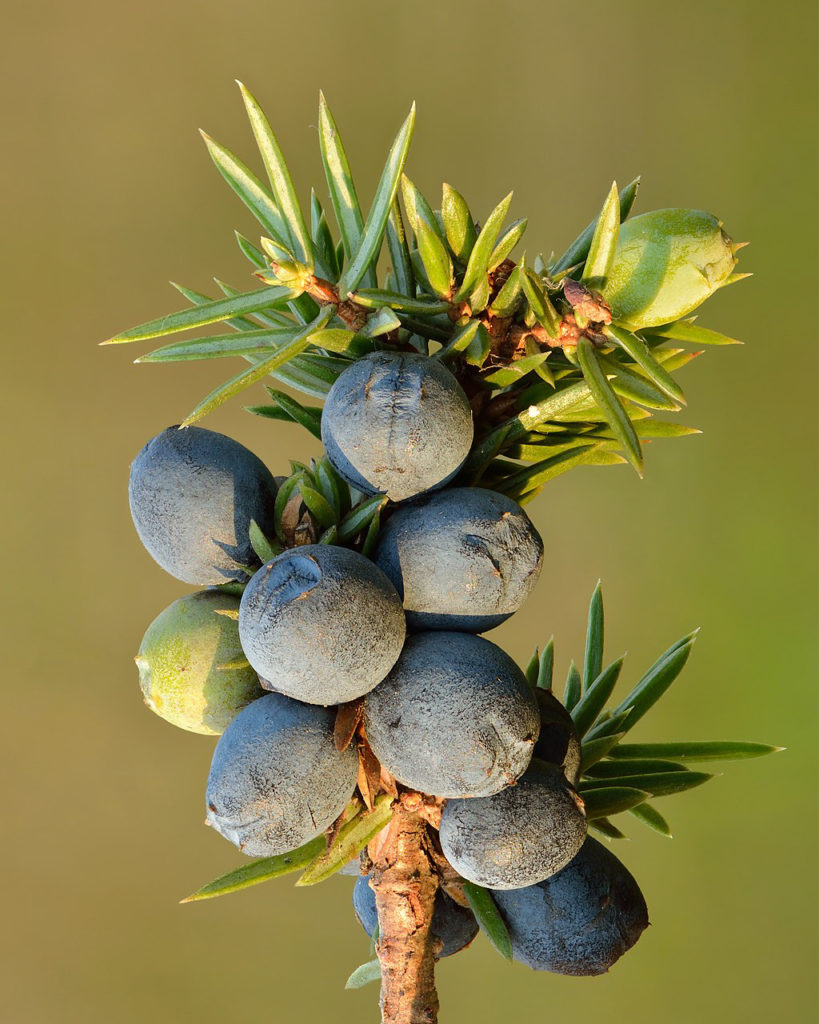
That matters because gin is less forgiving than many spirits. Vodka can hide behind temperature. Bourbon can lean on oak and sweetness. Tequila can sell personality through terroir and proof. Gin has to make sense in the glass. Its juniper, citrus, spice, floral notes, and texture all need to line up with the vermouth, the bitters, the ice, and the person making the drink. When a bar gets gin right, you can taste the standard immediately.
New York has several places that cocktail lovers should know, not because they all call themselves gin bars, but because they understand what gin can do better than most. Some excel at the Martini, some at shaken classics, some at the broader experience of sitting down and letting an expert steer. The smartest way to approach this city is not to hunt only for venues with “gin” in the name. It is to look for bars where gin receives serious attention.
What makes a gin destination worth your time
A real gin destination does more than carry a dozen labels. Bottle count is the least interesting metric once you move past the beginner stage. What matters more is curation, condition, and confidence.
A strong program usually shows itself in small ways. The vermouth is fresh and refrigerated. The freezer is not a gimmick, it is a tool. Citrus is cut to fit the drink rather than treated as decoration. Staff can tell you why one London dry works better in a Gimlet while another belongs in a Martini with an olive. If a bar offers multiple Martinis, the variations are purposeful, not cosmetic. Even the glassware says something. A well-chosen Nick and Nora or a compact Martini glass keeps a drink colder longer and often improves the experience more than a dramatic oversized coupe ever could.
The other sign is range. Great gin bars understand that gin is not one note. A guest who likes a bone-dry, juniper-forward Martini may not want the same spirit in a French 75 or a Negroni. A place worth revisiting will have the flexibility to move from navy strength to citrus-led contemporary styles, or from a classic London dry to something softer and more floral, without turning the menu into a chemistry exam.
The New York spots cocktail lovers should know
These are not ranked. They serve different moods, budgets, and neighborhoods, and that is part of what makes the city fun to drink through.
- Martiny’s in Gramercy, for exacting Japanese-style hospitality and some of the most carefully made stirred drinks in the city.
- Temple Bar in NoHo, for a polished old-New-York room where Martinis feel central rather than obligatory.
- Clover Club in Carroll Gardens, for a benchmark gin sour and a deep respect for classic cocktail structure.
- The Raines Law Room in Chelsea, for a more intimate, almost hidden setting that suits gin classics especially well.
- Dutch Kills in Long Island City, for bartending that serious drinkers have respected for years, especially if you care as much about balance as atmosphere.
Martiny’s deserves its reputation because it treats the basics with almost obsessive care. That can sound austere on paper, but the room has warmth, and the service tends to be attentive without becoming theatrical. If you care about the details of a Martini, whether it is the ratio, the chill, the texture, or the aromatic shape of the garnish, this is the kind of place that rewards attention. You do not go there for a casual “whatever martini.” You go because the staff takes that request seriously.
Temple Bar occupies a different lane. It has the sort of room that flatters classic drinks, a little glamorous, a little insulated from the street, and confident enough not to oversell itself. Gin feels at home here because the bar understands restraint. A Martini in a room like this can remind you that cocktails are not always about invention. Sometimes they are about getting the old things exactly right, then serving them in a setting that sharpens their appeal.
Clover Club matters because it helped set modern expectations for cocktail bars in New York and beyond. While it is often associated with its namesake drink, it is also one of the clearest examples of how gin can anchor a menu without being trapped in one style. You can drink something bright and shaken, then follow it with a more spirit-forward classic and see the same level of competence in both. That versatility is not common. Many bars do one lane better than the other.
The Raines Law Room still earns a place in the conversation because atmosphere and cocktail craft line up so neatly there. The environment encourages slower drinking, which suits gin particularly well. This is not a rush-in, rush-out bar. It is a place where a Ramos-style drink, a Last Word variation, or a clean, icy Martini has the room it needs to land. If you want proof that setting can change your perception of a spirit, order the same drink here that you might elsewhere and notice how differently it reads when served in a quieter, more intimate space.
Dutch Kills, though not in Manhattan or Brooklyn, remains one of the city’s essential cocktail stops. Bartenders and regulars have long respected it for a reason. There is substance behind the menu. Gin drinkers tend to appreciate bars that do not need to explain themselves too much, and Dutch Kills fits that description. Drinks arrive balanced, thoughtful, and free of shortcuts. Long Island City has also become easier for many visitors to reach than it once was, so the old excuse that it feels too far rarely holds up now.
Why the Martini still dominates every serious gin conversation
Any discussion of a Gin Bar NYC itinerary eventually circles back to the Martini. That is not laziness. It is because the Martini exposes everything.
You can tell in one sip whether the gin and vermouth are in proportion, whether the dilution is controlled, whether the drink was strained at the right moment, whether the garnish belongs there, and whether the maker understands temperature as more than a buzzword. A too-warm Martini falls apart almost immediately. An over-diluted one tastes vague and disappointing. An under-diluted one tastes sharp and unfinished. There is nowhere to hide.
New York’s best bars know this, which is why their Martinis often differ in subtle but meaningful ways. Some lean colder and cleaner, with very little vermouth and a firm juniper backbone. Others are gentler and more aromatic, allowing vermouth to carry more of the profile. Dirty Martinis have also become more serious in recent years. At mediocre bars, olive brine is often treated as a shortcut to intensity. At better bars, it is measured, matched to the base spirit, and balanced so the drink remains a Martini rather than a chilled saline solution.
One thing experienced drinkers learn quickly is that there is no universally “correct” Martini specification. The smart move is to find bars that understand your preference and execute it consistently. If you like a 50-50 Martini with a twist, you need a place with excellent vermouth handling. If you want something much drier, freezer-cold, and almost severe, you need bartenders who can still keep Gin Bar NYC it expressive rather than blunt. New York offers both, often within a few subway stops.
The drinks beyond the Martini that separate good bars from great ones
Gin’s real test may be the Martini, but a bar’s breadth shows up elsewhere.
Take the Gimlet. In a weak program, it turns sugary or anonymous, often because the lime is heavy-handed or the gin is chosen without regard to acidity. In a good program, the drink feels taut and bright. The lime supports the gin instead of burying it, and the sweetness is there to complete the line, not soften it. The difference can be dramatic.
Then there is the Negroni. This is where bottle selection matters. A big, piney London dry can stand up to Campari and sweet vermouth in a classic spec, but a lighter, more floral gin may require a gentler hand or a deliberate adjustment. The bars worth remembering do not treat all gins as interchangeable. They understand that changing the base changes the whole drink.
The Last Word is another giveaway. Equal-parts cocktails sound easy until you taste a dozen of them and realize how rarely they are truly integrated. Maraschino can dominate. Chartreuse can crowd out the gin. Lime can spike too hard if the citrus is not in balance. The bars that do this drink well tend to respect gin not just as alcohol, but as architecture.
Even a French 75 can reveal a lot. It is often ordered casually and made carelessly. Yet in skilled hands, it becomes one of Gin Bar NYC the most elegant ways to drink gin. The key is dryness, acid, and bubbles that feel supportive rather than flashy. When a bar nails it, the drink reads festive without turning sweet or limp halfway through.
Neighborhood matters more than many visitors expect
Choosing where to drink gin in New York is partly about style and partly about geography. The city changes the experience before the first sip arrives.
In Manhattan, the best gin bars often trade in polish. Rooms are tighter, pacing can be faster, and the drinks tend to arrive with a sense of finish. That works well for after-work Martinis, date-night cocktails, or a deliberate stop before dinner. You may pay more, but when the standard is high, the surcharge often buys precision and atmosphere rather than just a zip code.
Brooklyn offers a slightly different rhythm. At its best, the borough’s cocktail culture feels more relaxed without becoming casual in technique. Clover Club is an obvious example of that balance. The service can feel more conversational, and the rooms often invite lingering. For gin drinkers, that can be ideal, especially if you want to move through more than one style in an evening.
Queens, particularly Long Island City, rewards people willing to leave the most obvious paths. Dutch Kills is the clearest case. Strong drinks culture in New York has never been limited to Manhattan, and serious cocktail lovers know that some of the most consistent bartending in the city has long happened outside the usual visitor corridors.
The practical implication is simple. Do not try to cover the city by chasing only one famous address after another. Plan your gin stops around neighborhoods and the kind of night you want. A polished Martini bar, a more relaxed Brooklyn classic, and one destination in Queens will teach you far more about New York drinking culture than three similar reservations in the same district.
How to order like someone who actually enjoys gin
Bartenders can usually tell within seconds whether a guest truly likes gin or just thinks they should order it. The difference has less to do with jargon than clarity.
The most useful thing you can say is what you enjoy in plain language. Juniper-forward or softer and citrusy. Dry and bracing or aromatic and rounder. Up, on the rocks, or in a highball. If you have a favorite brand, mention it, but do not lead with a demand unless you are ordering a very simple serve. Better to say, “I like a classic London dry profile and a fairly wet Martini,” than to lock the bartender into a bottle that may not fit the house style.
It also helps to understand the room. If the bar has a serious cocktail program and the staff is engaged, asking for guidance can lead to a better drink than ordering from habit. If the bar is slammed three deep on a Friday night, that same open-ended question may be less useful for everyone involved. Good guests read the pace. Experienced bartenders appreciate that.
One small but important point, especially in stronger cocktail bars, is to give a drink a moment before deciding it needs adjustment. Gin changes as it warms slightly and opens in the glass. A Martini that seems almost too cold or too restrained at first can become far more expressive over a few minutes. Not every drink should be judged on the very first sip.
A few trade-offs worth knowing before you go
New York rewards planning, but overplanning can flatten the night. The bars above all attract people who care about cocktails, which means wait times and reservation logistics can matter. If your priority is a specific room, book ahead where possible. If your priority is flexibility, go earlier than the peak dinner rush. The first hour of service often gives you the best combination of staff attention and a quieter room.
Price is another factor. A serious gin cocktail in New York is not cheap, and in top-tier rooms it may be noticeably expensive. Whether it is worth it depends on what you value. If you are simply looking for alcohol in a cold glass, the city offers countless cheaper options. If you want technique, hospitality, and ingredients handled properly, the premium can be justified. The disappointment usually comes when someone pays top-shelf prices in a room that relies more on hype than standards.
There is also the question of novelty versus reliability. Some drinkers always want the seasonal special with a house tincture and an obscure garnish. Others want a Martini or a Negroni that never misses. My own view is that gin rewards reliability first. A bar that cannot make its core classics sing rarely redeems itself with invention. Once trust is established, then the experimental side becomes interesting.
The city’s gin culture keeps evolving, but the essentials stay the same
Styles change. Menus become more minimalist or more playful. One year every bar seems to be freezing Martinis, the next year everyone is reviving a historic fizz or sour. Yet the essentials of great gin service in New York remain strikingly stable.
The best bars respect the spirit’s botanical character instead of overwhelming it. They take temperature seriously. They choose glassware with intent. They know that vermouth is perishable, citrus is structural, and dilution is not an accident. They train staff well enough that a guest can ask a simple question and get a useful answer rather than a performance.
That is why the best Gin Bar NYC experiences are memorable even when the drinks appear simple. Especially when they appear simple. A flawless Martini, a taut Gimlet, a balanced Last Word, or a deeply composed Negroni can tell you more about a bar than the longest menu ever could.
If you want a practical starting point, begin with one polished Manhattan bar and one classic Brooklyn room. Order a Martini in the first, something shaken in the second. Pay attention to texture, temperature, and garnish. Then, if you have time, make the trip to Long Island City for a third stop that reminds you why cocktail people still cross borough lines for the right drink.
That is when the city’s gin culture comes into focus. Not as a trend, and not as a checklist, but as a network of bars that care enough to make an exacting spirit feel effortless. For cocktail lovers, those are the places worth knowing.
The Winslow
243 E 14th St
New York, NY 10003, United States
Phone: +1 212-777-7717
FAQ About Gin Bar NYC
How to do a gin tasting?
Start with a small pour and gently smell the gin before taking a small sip. Notice its juniper, citrus, floral or spice notes, then compare how the flavor changes with a little water or tonic. At a gin bar, ask the bartender to explain the selection and botanical pairings.
How to make the best tasting gin and tonic?
Use chilled gin, fresh tonic and plenty of ice. A common starting ratio is one part gin to two parts tonic, adjusted to taste. Choose a garnish that complements the gin's botanicals and stir gently to preserve the bubbles.
What is the smoothest tasting gin?
There is no single smoothest gin for everyone. Perceived smoothness depends on the botanical recipe, alcohol strength, serving temperature and mixer. Describe whether you prefer citrus, floral, herbal or juniper-forward flavors so a bartender can suggest a suitable style.