How a Gin Bar NYC Creates the Ultimate Urban Escape
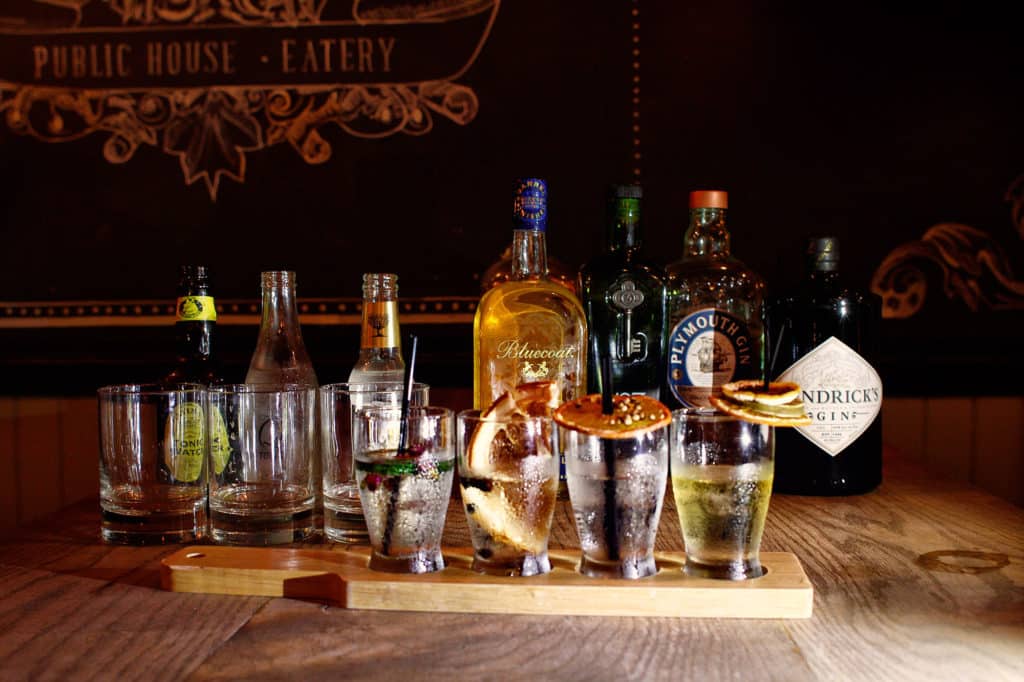
New York rarely lowers its voice. The city hums, rattles, argues, accelerates, and insists. By the time evening arrives, most people are not simply looking for a drink. They are looking for release. That is where a well-run gin bar earns its place. Done properly, it offers something more refined than a loud night out and more vivid than a generic cocktail stop. It creates an urban escape, one built not by distance but by atmosphere, precision, and pace.
A great Gin Bar NYC guests return to does not fight the city outside. It edits it. It takes the noise, speed, and overstimulation that define the day and replaces them with focus. The lighting softens. Glassware catches a warm reflection instead of fluorescent glare. Citrus oils bloom over the rim of a coupe. Ice lands in a mixing glass with a sound that feels oddly reassuring. For a couple of hours, the city still exists, but at a tolerable volume.
I have spent enough nights in bars, both polished and forgettable, to know that escape is not created by décor alone. Plenty of places buy velvet stools, hang dark curtains, and call it intimacy. The result often feels staged. Real atmosphere is harder to engineer. It comes from hundreds of small decisions, many of which guests never consciously notice. The best gin bars in New York understand this at a professional level. They know that mood is operational. It is built through menu design, room layout, staff training, sound Gin Bar NYC thewinslownyc.com control, and a serious understanding of what gin can do in a glass.
Why gin is uniquely suited to the city
Gin is one of the most expressive spirits behind the bar. Whiskey often announces itself with weight. Tequila brings brightness and structure. Rum can be lush or funky. Gin, at its best, behaves like a lens. It sharpens herbs, amplifies citrus, carries florals, and lets bitter or savory notes show clearly. That versatility matters in a city where tastes are broad and expectations are high.
A drink made with juniper-heavy London dry gin can feel bracing and architectural, almost like stepping into a quieter, older Manhattan. A softer contemporary gin, built around cucumber, elderflower, or delicate botanicals, can read as airy and modern. The same category of spirit can support a bone-dry Martini for someone who wants discipline, or a highball with tonic and grapefruit for someone who wants ease. Few spirits move that fluently across moods.
That range helps explain why the Gin Bar NYC crowd is often more diverse than people assume. Yes, there are serious cocktail enthusiasts who know their producers and ask which vermouth is in the freezer. But there are also after-work regulars who want a crisp gin and tonic served correctly, couples looking for a quieter date setting, travelers who need a break from crowded lounges, and neighborhood patrons who treat the bar as a kind of living room with better glassware. Gin invites curation without feeling exclusionary, at least when the bar is confident enough not to perform expertise.
Escape begins before the first sip
The first thirty seconds inside a bar matter more than many owners realize. Guests make fast judgments. Is this place calm or chaotic? Welcoming or self-impressed? Efficient or sloppy? A great gin bar answers those questions before a menu appears.
The entrance should create a threshold, psychological as much as physical. Sometimes that means a narrow hallway that muffles the street before the room opens. Sometimes it is as simple as a host who makes eye contact, takes a coat smoothly, and gives a guest ten seconds to settle before launching into a speech. In New York, where many people spend their day being rushed by strangers, that measured reception feels luxurious.
Lighting plays a larger role than most guests can articulate. Too bright, and the room feels transactional. Too dim, and menus become a nuisance while cocktails lose their visual appeal. Good bars tune their lighting to flatter both the drink and the guest. Amber tones make citrus look vibrant and glassware feel expensive. Candles can work, but only if they do not leave half the bar reading tasting notes with a flashlight app.
The room itself needs friction in the right places. Tight seating can create intimacy, but if stools are too close, people spend the night listening to the next conversation. Plush banquettes can look sophisticated, yet they often trap guests at awkward table heights that are bad for drinking. The best rooms are edited for comfort without becoming sleepy. A gin bar should calm you, not sedate you.
Sound is the invisible ingredient
If I had to name the most overlooked factor in a successful urban escape, it would be acoustics. A bar can have excellent drinks and still fail because nobody can hear. New York spaces are often narrow, hard-surfaced, and reverberant. Add music, shakers, an espresso machine, and a full crowd, and the room turns into a fatigue chamber.
Well-run bars manage sound in layers. Music choice matters, but volume matters more. A room that forces guests to lean in at all times drains energy quickly. That may work for a nightclub. It does not work for a gin bar built around nuance. Gin asks for attention. So does conversation.
There is a practical side to this. Guests who can speak comfortably tend to stay longer, order a second round with more confidence, and leave with a better memory of the place. Staff can explain a botanical profile without shouting. The bartender can suggest a savory Martini variation or a Southside with fresh mint and know the idea actually landed. Quiet competence becomes part of the product.
I have seen bars spend heavily on spirits and almost nothing on acoustic treatment. It shows. The room fills, the noise bounces, and by 8:30 the charm is gone. The strongest operators treat sound the way chefs treat seasoning. Subtle, deliberate, indispensable.
The ritual of the Martini and why it matters
Every city has its symbols, and in a gin-focused bar, the Martini is one of the most powerful. Not because it is trendy or theatrical, but because it embodies restraint. In a place designed as an escape, restraint is deeply attractive.
A proper Martini service slows the room down. The bartender chills the glass fully, stirs with enough dilution to open the spirit, and expresses citrus with intention if citrus is called for. The guest receives not just a drink but a signal that details still matter. That can be surprisingly restorative after a day shaped by rushed coffee, crowded trains, and a hundred minor indignities.
There is also the matter of customization. A guest may want a 50-50 Martini with a softer proof and more aromatics. Another may want it very dry, with a firm juniper backbone and an olive. A skilled bartender reads those preferences without making the exchange feel like an exam. That balance between expertise and ease is at the heart of hospitality. When done right, the guest feels understood rather than managed.
The Martini also reveals whether a bar truly respects gin. If the glass is warm, the dilution careless, or the garnish perfunctory, the problem is rarely isolated to that one drink. Standards leak. On the other hand, a bar that handles its Martinis with consistency usually applies the same discipline to everything else on the menu.
Botanical complexity gives the room its identity
What makes gin bars especially compelling in New York is that they can build identity through flavor without boxing themselves into a theme. A whiskey bar often leans into heritage. A wine bar leans into region. A gin bar can be more atmospheric and more fluid. It can suggest an English club one moment, a Mediterranean terrace the next, then shift into something distinctly downtown with saline notes, green herbs, and a cooler, sharper style of service.
That flexibility comes from the spirit itself. Juniper is the spine, but everything around it can move. Coriander, angelica, citrus peel, orris root, cardamom, lavender, rosemary, black pepper, fennel, seaweed, basil, tea, and cucumber can all shape the final impression. The result is a menu that can feel expansive without becoming unfocused.
A thoughtful gin program often includes a spectrum rather than a sheer count of labels. More bottles do not automatically improve the guest experience. In fact, walls of options can intimidate people who simply want a good recommendation. What matters is having distinct styles represented and training staff to explain them in plain language.
Here is what a smart gin selection usually does well:
- It offers at least a few classic London dry options for structure and familiarity.
- It includes contemporary gins with softer juniper and more floral or citrus-driven profiles.
- It makes room for savory, coastal, or herbaceous bottles that stand out in Martinis and highballs.
- It supports both stirred classics and longer drinks, so the menu suits different moods.
- It gives the staff enough range to make recommendations that feel personal rather than scripted.
That curation is part of the escape. When the bar knows exactly why each bottle is there, the guest can relax into trust.
The menu should guide, not overwhelm
One of the clearest differences between a good bar and a truly effective urban refuge is how the menu handles the guest’s attention. In New York, people are mentally loaded by the time they sit down. They have made decisions all day. A strong menu respects that fatigue.
This does not mean dumbing things down. It means structuring information with care. Drinks should be grouped in a way that reflects how people actually order. Bright and spritzed. Bracing and stirred. Citrusy and refreshing. Savory and spirit-forward. Those cues are more useful than clever names alone.
Descriptions matter too. “Gin, citrus, herbs” tells a guest almost nothing. “Juniper-forward gin with dry vermouth, celery bitters, and a lemon twist” creates an image. “Soft floral gin, tonic, pink grapefruit, and rosemary” does even more. It signals intensity, texture, and likely audience.
There is a practical trade-off here. A highly conceptual menu can impress industry people and alienate everyone else. A too-basic menu can feel uninspired. The best bars split the difference. They write with enough clarity to guide first-time guests and enough character to reward people who care about detail.
A good bartender can bridge the rest. Some of the most memorable bars in the city are not those with the largest menus, but those where a guest can say, “I want something crisp, not sweet, maybe with herbs,” and receive exactly the right drink two minutes later.
Service is where escape becomes believable
Atmosphere can invite a guest in, but service determines whether the promise holds. This is especially true in New York, where people can sense posturing almost instantly. A gin bar that treats knowledge like a weapon loses its charm fast.
Professional service in this setting has a particular tone. It is attentive without hovering. Precise without stiffness. Staff should know their gins, understand vermouth storage, speak confidently about tonic choices, and explain a garnish decision if asked. But none of that should turn into a lecture.
The city rewards places that can read the table. Some guests want a deep conversation about distillation methods and botanical balance. Others want a cold Martini and ten quiet minutes. The same room needs to serve both gracefully. That adaptability is harder than it looks. It depends on hiring people with emotional intelligence, not just product knowledge.
Timing matters just as much. Water should arrive before it is requested. A second round should be offered when glasses are low, not when they are empty and the guest has mentally disengaged. The check should appear promptly when the rhythm suggests the night is winding down, but never with the feeling of being turned over for the next reservation. True hospitality protects the guest’s sense of agency.
Food anchors the experience
Many gin bars make the mistake of treating food as an obligation. That is a missed opportunity. The right food does more than fill space between drinks. It extends the logic of the bar.
Gin pairs exceptionally well with briny, herbal, and lightly fatty flavors. Oysters, conservas, citrus-marinated olives, crisp crudités with a sharp dip, good fries with malt-forward seasoning, or a chicken pâté with cornichons can all complement a gin-led menu without dragging the room into full restaurant mode. The ideal food program supports drinking while preserving lightness.
This is another place where urban escape is either sustained or broken. A menu that is too heavy can flatten the energy of the evening. A menu that is too thin leaves guests underfed and likely to leave early. The sweet spot is food with enough substance to extend a stay and enough brightness to keep the palate awake.
I have often found that the bars people remember most are not necessarily the ones with the most ambitious plates. They are the ones where every element feels coherent. The olive dish tastes like somebody cared. The nuts are warm and properly seasoned. The ice in the G and T is fresh and generous. Nothing arrives as an afterthought.
Small luxuries do the heavy lifting
Urban escape is usually made of small luxuries, not grand gestures. In a city where space is scarce and time feels expensive, thoughtful details carry unusual weight. A chilled bottle of tonic served alongside a measured gin pour. A sidecar of extra olives for a dirty Martini drinker. Coasters that actually absorb condensation instead of smearing the bar. Hooks under the counter for a handbag or briefcase. A bathroom that remains clean at 10 p.m., not just at opening.
These details are not flashy, but they create trust. They tell the guest the bar has anticipated discomfort before it happened. That is one of the most soothing experiences hospitality can provide.
The strongest bars also understand pacing. They know some guests want a quick, elegant stop before dinner, while others want to settle in for two hours. The room should support both without making either feel wrong. That requires spatial intelligence. Seats at the bar for solo guests and engaged couples. A few tables with enough privacy for sustained Gin Bar NYC conversation. Standing room that does not turn the entryway into a bottleneck.
A gin bar reflects New York at its best
There is a reason a successful Gin Bar NYC regulars swear by often becomes more than a place to drink. At its best, it distills qualities people still love about the city, even when daily life wears them down. Precision. Diversity. Intelligence. Style without apology. Energy shaped into form.
New York can be exhausting because so much happens at once. The right gin bar restores pleasure by narrowing the frame. It gives the senses something ordered to focus on. The chill of the stem. The aroma of lemon peel. The clean bite of juniper. The murmur of a room that is alive but not frantic. A conversation you can actually hear. For an hour or two, those things are enough.
That may sound modest, but it is not. In a city defined by excess, moderation can feel radical. So can care. So can quiet confidence. A bar that delivers all three is offering more than cocktails. It is offering relief with character.
The places that truly understand this do not chase every trend. They may update the menu seasonally, rotate bottles, or rethink their tonic program, but they stay anchored in the fundamentals. Cold glassware. Balanced drinks. Smart staffing. Honest atmosphere. They understand that escape is not spectacle. It is the feeling of being looked after in a room that knows exactly what it is.
For many guests, that is the real luxury. Not exclusivity. Not noise. Not a reservation that is impossible to secure. Just the rare pleasure of entering a place where the city loosens its grip. A great gin bar cannot change New York. It can do something more practical. It can make New York briefly feel livable, elegant, and deeply enjoyable, one impeccably mixed drink at a time.
The Winslow
243 E 14th St
New York, NY 10003, United States
Phone: +1 212-777-7717
FAQ About Gin Bar NYC
How to do a gin tasting?
Start with a small pour and gently smell the gin before taking a small sip. Notice its juniper, citrus, floral or spice notes, then compare how the flavor changes with a little water or tonic. At a gin bar, ask the bartender to explain the selection and botanical pairings.
How to make the best tasting gin and tonic?
Use chilled gin, fresh tonic and plenty of ice. A common starting ratio is one part gin to two parts tonic, adjusted to taste. Choose a garnish that complements the gin's botanicals and stir gently to preserve the bubbles.
What is the smoothest tasting gin?
There is no single smoothest gin for everyone. Perceived smoothness depends on the botanical recipe, alcohol strength, serving temperature and mixer. Describe whether you prefer citrus, floral, herbal or juniper-forward flavors so a bartender can suggest a suitable style.