How to Choose the Perfect Gin Bar NYC for Your Next Night Out
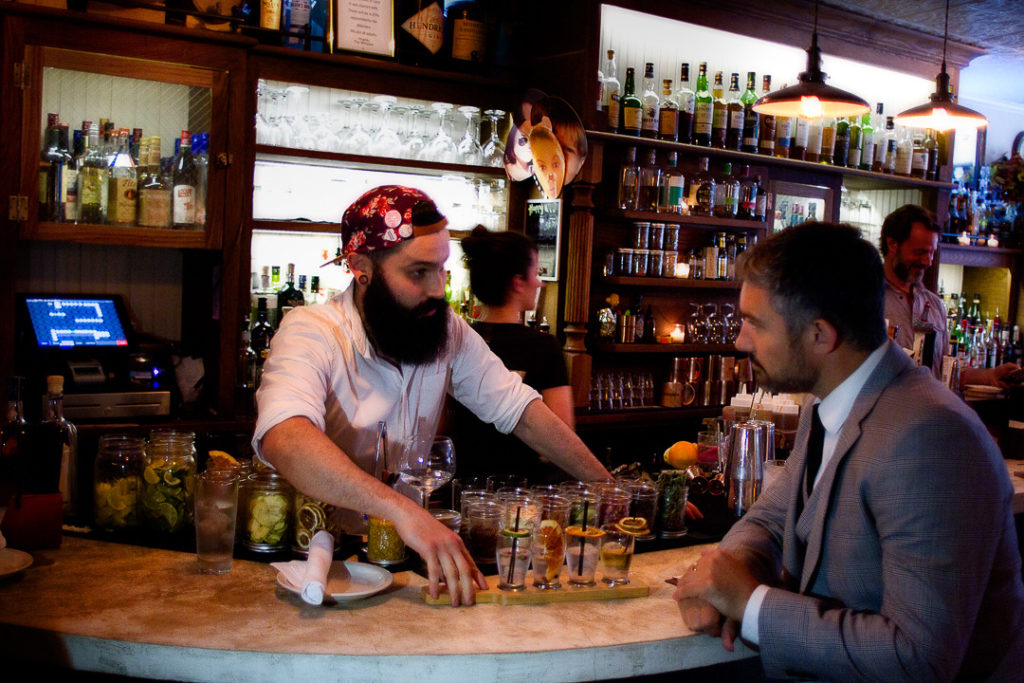
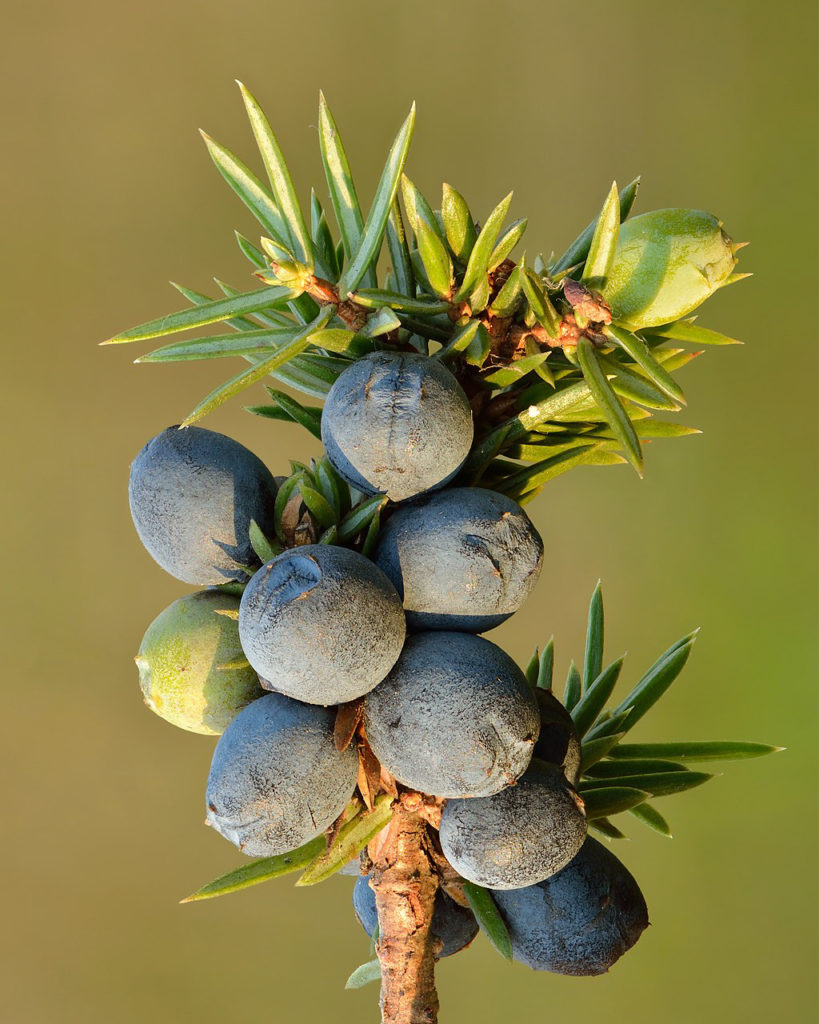
New York gives you almost too many options for a good night out. That sounds like a luxury until you are standing on a sidewalk in the West Village at 8:15, trying to decide whether the place with the elegant back bar is worth a 45 minute wait, or whether the smaller spot two blocks over has the better drinks but a room that gets painfully loud after 9. Choosing the right gin-focused bar in this city is less about finding the single best place and more about matching the room, the menu, and the energy to the night you actually want.
That distinction matters. A date night calls for different lighting, pacing, and service than a birthday gathering. A quick drink before dinner has almost nothing in common with settling in for a three round exploration of London dry, navy strength, and contemporary botanicals. If you want to pick the perfect Gin Bar NYC experience, you need to look beyond a beautiful bottle display and ask a more useful question: what kind of evening is this bar built to deliver?
The best gin bars in New York tend to understand that gin drinkers are not all looking for the same thing. Some want a flawless Martini, ice cold, balanced, and poured with confidence. Others want a bartender who can talk through juniper intensity, citrus expression, herbal depth, and why one tonic opens a spirit better than another. Some want the kind of polished room where every detail feels composed. Others want a neighborhood den with a smart list and zero pretension. The right choice depends on what you value most once you sit down.
Start with the kind of night you want, not the drink list
People often begin with menu photos. That is understandable, but it is rarely the smartest first move. The atmosphere will shape your night as much as the gin selection does, sometimes more.
Think about timing first. Early evening, especially on weekdays, can make an entirely different bar out of the same address. A place that feels refined and conversational at 6:30 may turn into a shoulder-to-shoulder scene by 10. If your goal is to taste carefully and talk, that later crowd can flatten the experience, no matter how well the drinks are made. On the other hand, if you want momentum, noise, and a room that feels alive, an earlier reservation can feel too stiff, almost underlit in the wrong way.
Then consider who is coming with you. A serious gin enthusiast may love a bartender who asks whether you prefer coriander-forward or citrus-led profiles. Your friend who normally drinks tequila may just want one excellent gin and tonic and a comfortable seat. Neither preference is wrong. Trouble starts when you choose a bar built for one audience and bring the expectations of another.
This is where many nights go sideways in New York. A guest picks a highly specialized place because it ranks well online, only to realize that the room is tiny, the menu leans deeply into spirit-forward classics, and the group actually wanted snacks, lower proof options, and enough space to hear one another. The reverse happens too. Someone looking for craft and depth ends up in a broad, busy cocktail venue where gin appears on the menu but clearly is not the house passion.
A strong Gin Bar NYC choice begins with honesty about the night. Are you there to learn, to linger, to celebrate, or simply to relax? Once you answer that, the right bar becomes much easier to spot.
What separates a real gin bar from a bar that just stocks gin
Many bars in New York carry a respectable gin shelf. Far fewer deserve to be called destination gin bars. The difference usually reveals itself in a few minutes.
The first sign is curation. A serious gin bar does not just stock well-known labels and one or two local bottles. It shows intent. You will see a spread across styles, classic London dry, softer contemporary expressions, perhaps navy strength, old tom, and gins with distinct regional personalities. The list does not need to be enormous to be impressive. In fact, a tighter selection can signal better judgment if each bottle earns its place.
The second sign is menu design. If the drinks list includes gin cocktails that all taste broadly the same, lots of citrus, some floral syrup, maybe one cucumber variation, the bar is probably checking a box. A thoughtful gin program will show range. You might see a dry Martini presented with clear vermouth choices, a Martinez that respects sweetness and texture, a gimlet that balances brightness without tasting like candy, and perhaps a highball or tonic service that gives the spirit room to speak.
Third, pay attention to how the staff talks about gin. Real expertise sounds calm and specific. Good bartenders do not recite trivia. They ask useful questions. Do you want something crisp or more aromatic? Are you sensitive to bitterness? Do you like the piney edge of juniper or prefer softer citrus and tea notes? That kind of guidance matters far more than a dramatic garnish.
One of the clearest tells is tonic. Bars that care about gin usually care about its partner. They think about carbonation, sweetness, bitterness, and the glassware used for long drinks. A watery pour with tired ice and generic tonic can flatten even an excellent bottle. On the other hand, a modestly priced gin, paired with good tonic, proper dilution, and a fresh garnish that actually fits the botanical profile, can become the most satisfying drink of the night.
The room matters more than most people admit
A bar can make excellent drinks and still be wrong for you. In New York, space is part of the product.
If you want intimacy, look for signs of control rather than trendiness. Smaller rooms can be wonderful when the layout is considered. They become punishing when the bar overbooks standing space or crams two tops so tightly together that your conversation turns into a public event. Seat comfort matters too. It sounds minor until you spend two hours on a stool set at the wrong height with nowhere to place your bag or coat.
Lighting is another factor people notice only when it is wrong. Gin often performs best in settings that feel clean and calm, not clinical, not nightclub dark. You want enough light to read a menu without using your phone flashlight and enough warmth that the room still feels flattering. Sound matters just as much. There is a sweet spot where the room has energy but does not force everyone to lean forward and shout. Once a bar passes that threshold, nuance in drinks gets lost. You stop noticing texture, aroma, and balance because your body is busy handling noise.
The best rooms also support the style of service. A bartender can explain a Martini variation gracefully when there is enough time and physical ease to do so. In a packed room with three deep at the bar, even talented staff default to speed. That is not a flaw in the team. It is often a flaw in expectations. If you want conversation and care, go at an hour when the room can accommodate it.
A great Martini program tells you almost everything
If you love gin, judge the bar by its Martini. Not because every gin bar must revolve around one drink, but because the Martini exposes discipline. It reveals how a team handles temperature, dilution, vermouth, garnish, and confidence under pressure.
A proper Martini service does not need theater, but it does need precision. Was the drink truly cold? Did the vermouth feel intentional rather than symbolic? Did the lemon twist express fresh citrus oils, or was it slapped together? If you asked for dirty, did the olive brine integrate, or did it just dominate? A serious bar understands that the Martini is not a branding opportunity. It is a test of respect.
This is especially useful in NYC because many bars are excellent at complex shaken cocktails and weaker at spirit-forward classics. There is no shame in that, but it helps you choose wisely. If your ideal night revolves around two perfect Martinis and a plate of something salty, a broad cocktail bar may disappoint you even if it makes ten other drinks beautifully.
One practical note from experience: if a menu lists several Martini riffs, ask which one the bartenders themselves would order on a quiet shift. Staff recommendations in this category tend to be revealing. They often cut through menu language and steer you toward the drink that the bar executes with the most conviction.
Food can make or break the night
Few people set out in search of a gin bar because of the snacks, yet food has rescued countless evenings. It extends your stay, softens stronger drinks, and gives a group something to share besides opinions. In New York, where plans often slide later than intended, the difference between a bar with thoughtful small plates and one with nothing but nuts or olives is significant.
This does not mean the place needs a full kitchen. It means the food should fit the drinking style. Briny, crisp, creamy, and savory flavors work especially well with gin. Oysters, tinned fish, fries, deviled eggs, sharp cheeses, good charcuterie, and clean fried bites all tend to play nicely. Heavy, sugary, or overly spicy food can smother Gin Bar NYC the subtlety of botanical spirits.
Food is also a clue to the bar’s self-awareness. A carefully edited snack offering often suggests the owners understand pacing. They know guests may want a second drink but need a little structure around it. When a gin-forward bar overlooks that entirely, it can feel like an afterthought, especially for mixed groups where not everyone is ordering alcohol at the same speed.
Location in NYC is not just geography, it is mood
One of the easiest ways to pick the wrong bar is to ignore the neighborhood context. The ideal gin bar near your apartment on a Wednesday may not be the right one for a Saturday downtown date, even if the drinks are technically better.
Different parts of the city naturally frame the night. A polished hotel bar can create a sense of occasion before theater, business dinners, or a celebratory evening. A neighborhood spot in Brooklyn might offer more ease, better value, and a crowd that actually wants to stay put rather than rotate through. A Lower East Side bar might suit a more kinetic plan where one stop leads to another. Midtown, despite its reputation, can be very useful if you value strong reservations systems, professional pacing, and easier logistics for groups arriving from different directions.
Transit matters more after two drinks than people admit. A beautiful destination loses some shine when the trip home feels like a scavenger hunt. If the goal is a relaxed night, reduce friction where you can. A bar that is 15 percent less exciting on paper may produce a much better evening if it is easy to reach, easy to leave, and surrounded by solid backup options.
Price, value, and what you are really paying for
Gin bars in New York can range from surprisingly accessible to firmly special-occasion territory. Price alone does not tell you whether a bar is worth it. You need to think in terms of value.
When you pay more, what are you getting? Sometimes it is rare bottles, polished service, ideal glassware, excellent ice, and a room with enough restraint to let the drinks shine. That can be worth every dollar. Other times you are mostly paying for zip code, branding, or social media demand. The drink might still be good, but the premium is landing elsewhere.
A useful mental check is this: would you still feel good about the experience if the place were half as trendy? If the answer is yes, the bar probably has substance. If the answer is no, you may be buying atmosphere over craft.
That trade-off is not inherently bad. Plenty of nights are improved by a glamorous room and a bit of buzz. Just know what you are spending for. A birthday toast with friends may absolutely justify a higher ticket. A quiet midweek catch-up might not.
If you are ordering multiple rounds, ask yourself whether the menu encourages variety or subtly pushes every guest toward the same few expensive signatures. Strong bars usually offer more than one way to have a good time. You should be able to order a top-shelf Martini, but you should also be able to enjoy a simpler highball or a classic without feeling like you chose the lesser path.
How to read the menu before you book
A menu can tell you a surprising amount, even online. You just have to know what to look for.
First, count how many gin drinks are present and whether they seem distinct from one another. Five gin cocktails that all rely on floral liqueur and citrus are less promising than three drinks with genuinely different structures. Look for a range of formats, stirred, shaken, long, bitter, maybe even a lower alcohol option.
Second, see whether classics are acknowledged. A bar does not need a printed encyclopedia, but if it celebrates gin without giving any space to a Martini, Martinez, Negroni variation, or gin and tonic service, something is missing. Classics are the grammar of the category.
Third, notice the language. Menus that are overloaded with whimsical names but thin on ingredients can be frustrating, especially if you are particular about botanicals. On the other hand, menus written like technical manuals can feel joyless. The best ones are descriptive enough to guide you and concise enough to let the staff finish the conversation in person.
Finally, check whether food is listed and whether reservations are possible. Those two practical details often determine whether a night unfolds smoothly.
Questions worth asking before you settle in
You do not need to interrogate the bartender, but a few smart questions can quickly improve your odds of ordering well and understanding the room.
- Which gin drink best represents the bar’s style?
- Do you have a house Martini specification you are especially proud of?
- Is there a gin and tonic pairing you recommend rather than choosing separately?
- Which pours or cocktails are great if I prefer less juniper?
- If we stay for food, what pairs best with the gin list?
These questions work because they are open enough to invite real guidance and specific enough to reveal whether the team knows the program deeply. A confident answer usually leads somewhere good.
Service style should fit your temperament
Some guests want detailed explanation. Others want a drink in hand quickly and no performance attached. Neither is more sophisticated. It is just a matter of fit.
A good gin bar in New York should be able to read the table. If you are curious, the staff should meet you with real information, not jargon. If you are decisive, they should not slow you down. The challenge comes when a bar has one service mode only. Hyper-attentive can become exhausting. Detached can feel careless.
You can often gauge this within the first five minutes. Was the greeting warm without being theatrical? Did someone ask what kind of evening you were having? Did the server seem comfortable steering a non-expert as well as a serious enthusiast? Good hospitality is adaptable. Great bars know that expertise means nothing if the guest feels misread.
I have seen beautifully built gin programs falter because the room treated every order like a seminar. I have also seen modest neighborhood bars win people over with sharp recommendations, good pacing, and a sense that the staff genuinely wanted the guest to have the right drink, not the most expensive one. That instinct is hard to fake and easy to remember.
The best choice is often the one that leaves room for the night to evolve
The perfect bar is rarely perfect in every category. More often, it gets the important things right and leaves enough flexibility for the night to become whatever it needs to be.
Maybe you begin with the idea of one pre-dinner Martini and end up staying for oysters and a second round because the room feels right. Maybe a place you chose for its gin list turns out to be too loud, but the staff pivots you toward a side table and lower-proof serves that make it work. Maybe the smallest detail, proper ice, a measured pour of vermouth, a server who notices your pace, becomes the reason you decide to return.
That is how most memorable bar experiences happen in New York. Not through perfection, but through alignment.
A short checklist before you choose
If you want a practical filter for your next search, keep these points in mind:
- Match the bar to the purpose of the night, date, group catch-up, celebration, or serious tasting.
- Look for evidence of a real gin program, not just a long back bar.
- Consider noise, seating, and reservation policy as seriously as the cocktail list.
- Judge value by the full experience, including service, food, and comfort.
- Use the Martini and tonic service as quick indicators of overall standards.
A great Gin Bar NYC experience does not have to be flashy, rare, or expensive. It has to feel intentional. The room should support conversation if that is what you want. The staff should know how to guide you without turning the evening into a lecture. The drinks should show precision, especially in the classics, and the whole Gin Bar NYC place should make it easy to stay for one round or three.
When you choose with that lens, you stop chasing hype and start finding bars that actually suit you. In a city with this many options, that is the difference between a night that was merely good and one you will want to repeat.
The Winslow
243 E 14th St
New York, NY 10003, United States
Phone: +1 212-777-7717
FAQ About Gin Bar NYC
How to do a gin tasting?
Start with a small pour and gently smell the gin before taking a small sip. Notice its juniper, citrus, floral or spice notes, then compare how the flavor changes with a little water or tonic. At a gin bar, ask the bartender to explain the selection and botanical pairings.
How to make the best tasting gin and tonic?
Use chilled gin, fresh tonic and plenty of ice. A common starting ratio is one part gin to two parts tonic, adjusted to taste. Choose a garnish that complements the gin's botanicals and stir gently to preserve the bubbles.
What is the smoothest tasting gin?
There is no single smoothest gin for everyone. Perceived smoothness depends on the botanical recipe, alcohol strength, serving temperature and mixer. Describe whether you prefer citrus, floral, herbal or juniper-forward flavors so a bartender can suggest a suitable style.