Planning a Birthday at a Bar With Private Room: A Complete Guide
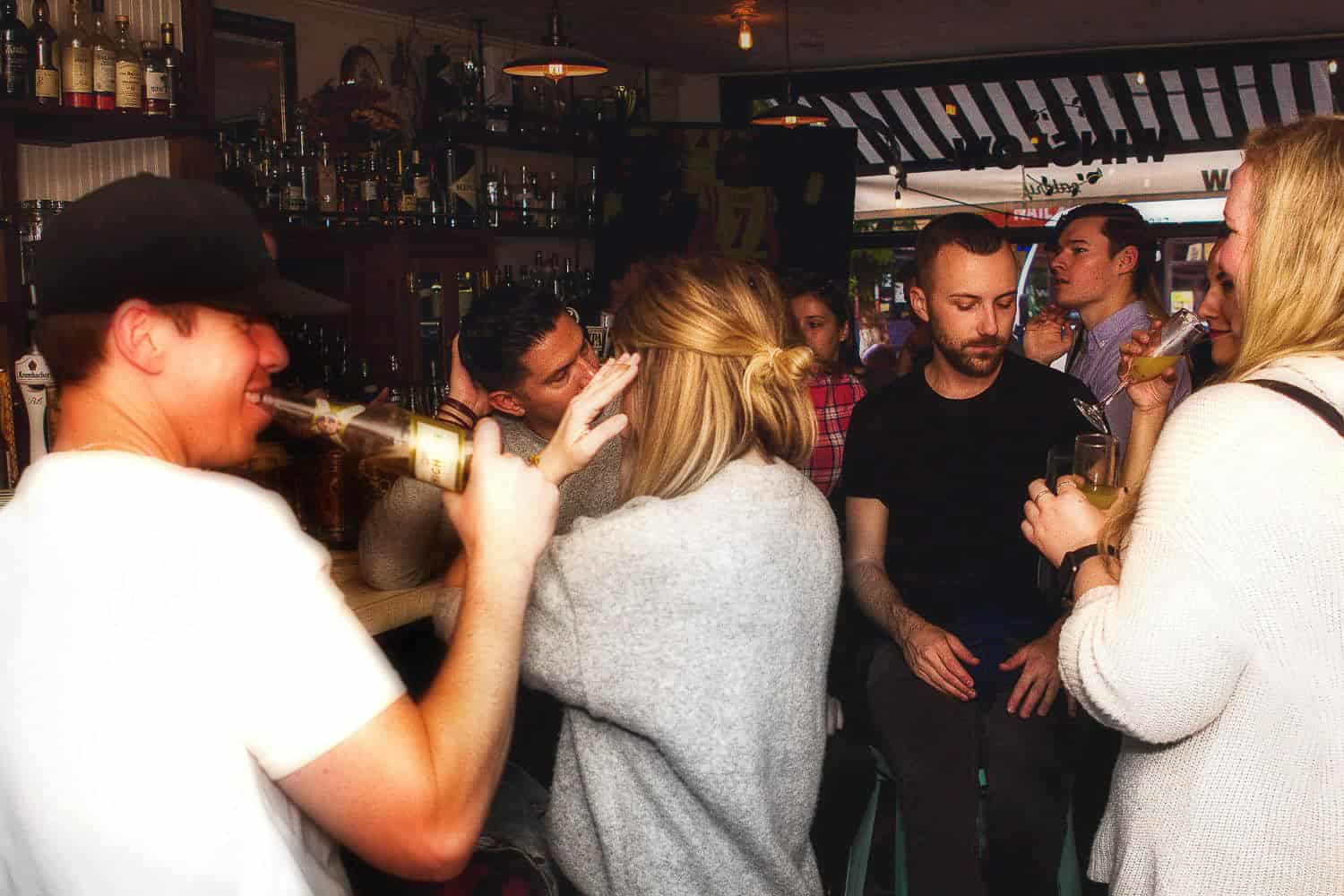
A birthday at a bar can be one of the easiest celebrations to get right, or one of the fastest ways to overspend on a night nobody quite remembers the way you hoped. The difference usually comes down to the room. A main-floor table near the speakers may work for a casual drink after work, but if you want people to mingle, toast, eat, take photos, and stay long enough for the party to feel like an occasion, a bar with private room changes everything.
Private spaces solve problems before they start. You are not fighting for seats. Guests know where to go. The birthday person gets a focal point instead of drifting between crowded corners. A server or event manager can often manage the food and drinks more cleanly than in the general bar area, and you are far less likely to spend half the evening shouting over strangers watching a game.
That said, private rooms can also come with minimums, time limits, vendor restrictions, and layout quirks that are not obvious when you first tour the venue. A room that looks perfect at 2:00 p.m. Can feel cramped by 8:30 p.m. Once coats, handbags, cake boxes, and twenty extra guests appear. The planning is not difficult, but it does reward attention to details that many hosts only notice when it is too late to change them.
Start with the kind of birthday you actually want
Before you contact venues, pin down what sort of night you are building. People often start with a budget, but the better first question is simpler: what should the evening feel like?
A thirtieth birthday with close friends usually needs something different from a fortieth with colleagues, cousins, and neighbors. If the point is conversation, a semi-private lounge with soft seating may work better than a high-energy cocktail room. If the birthday person loves dancing, a hidden room with no sound system may frustrate everyone by 10:00 p.m. If family members are coming early and younger guests will leave later, a venue that can shift from dinner to drinks matters more than custom decor.
I have seen hosts get pulled off course by the fantasy version of a party. They book an upscale whiskey bar because it photographs beautifully, then realize half the guest list prefers beer and simple mixed drinks. Or they reserve a tiny speakeasy because it feels exclusive, only to discover that grandparents cannot manage the stairs and the room has nowhere for a cake table. The best room is not the one with the best mood lighting. It is the one that fits your guests without forcing them to act like a different crowd.
Think through the rhythm of the night. Will guests arrive all at once, or in waves? Will there be a seated meal, passed appetizers, or just drinks? Do you want speeches, games, a playlist, or none of the above? The clearer you are on those points, the easier it becomes to identify the right bar with private room rather than a room that merely sounds impressive.
What a private room really buys you
Most people focus on privacy itself, which is understandable, but the practical value is usually greater than the social value. A private room gives you control over pace and logistics. Staff know which guests belong to your event. Tabs are easier to manage. Food can be staged where people can actually reach it. A birthday cake can live somewhere other than the hostess stand.
It also improves attendance. Guests are more likely to commit when the plan is specific. “Meet at the back room at 7:30” feels organized. “We’ll try to grab a big area at the bar” makes people picture uncertainty, crowds, and the possibility that they will arrive late and find nowhere to sit.
There is also a less glamorous benefit that experienced hosts learn to appreciate: you reduce decision fatigue on the day itself. When the room, menu, timing, and check structure are set, the host gets to act like a guest for part of the evening. That is not a small thing. The worst birthday hosts spend the whole night negotiating with bartenders, tracking missing appetizers, and texting directions to people who cannot find them.
Not every event needs a fully enclosed room. Some bars offer buyouts of alcoves, mezzanines, patios, or raised lounge sections. These can work well when you want a private home base without the sense of being sealed off from the atmosphere of the main bar. The trade-off is noise and foot traffic. Semi-private often feels livelier, but it also means more interruptions and less control.
How to build a realistic budget
Budgets for private-room birthdays usually break in one of three places: the minimum spend, the drink assumptions, or the small add-ons that nobody asks about until the contract arrives.
Many venues do not charge a rental fee in the traditional sense. Instead, they require a food and beverage minimum, which means your group must spend a certain amount within a certain time frame. In a city center on a Friday or Saturday night, that minimum can climb quickly. In a neighborhood bar on a weeknight, it may be surprisingly manageable. Neither is good or bad on its own. What matters is whether your guest count and your drinking habits make the number realistic.
A common mistake is assuming every guest will spend roughly the same amount. They will not. In most groups, a few people drink premium cocktails all night, a few nurse one beer, and several arrive after dinner and skip food entirely. That uneven pattern matters. If a venue has a high minimum and your group tends to be moderate, a hosted package may work better than hoping individual spending gets you there.
Taxes, service charges, gratuities, cake-cutting fees, AV fees, and overtime are the next layer. A room that looks cheaper on paper can end up costing more than a straightforward package elsewhere. Ask for a full estimate with every known fee included. If the event manager is vague, keep pushing until the structure is clear. A professional venue should be able to explain the difference between the pre-tax minimum, the administrative charge, and gratuity without making you feel like you are reading legal fine print.
There is no single right way to pay. Some hosts cover everything. Some host food and one round, then let guests buy additional drinks. Others use drink tickets to create a spending cap without making the room feel stingy. The key is clarity. Few things sour a birthday faster than guests realizing too late that they misunderstood what was covered.
Choosing the right venue without getting distracted by aesthetics
A lot of bars photograph better than they function. Velvet banquettes, amber lighting, and vintage mirrors can be charming, but they tell you very little about flow, staffing, acoustics, or whether twenty-five adults can comfortably circulate with drinks in hand.
Visit at the same time of week you plan to book, if possible. A room that feels serene on a Tuesday afternoon can become a bottleneck when the rest of the bar is full and the hallway to your space is packed three people deep. Watch how staff move. See where guests line up for restrooms. Check whether there is a dedicated bar in the private room or whether every drink must come from the main service station. Those details shape the night more than the wallpaper does.
Pay attention to seating flexibility. Some rooms are built for dinner and awkward for mingling. Others are all cocktail tables and nowhere to put gifts, jackets, or a cake. If you expect an age mix, seating matters even more. Younger guests will stand. Older guests often want at least some stable chairs. The best private rooms support both without feeling overfurnished.
Acoustics are easy to underestimate. Hard surfaces, low ceilings, and music bleed from the main room can make conversation exhausting. If speeches or a birthday toast matter, ask for a realistic sound check. I once watched a host rent a sleek back room for a milestone party, only to discover that the bass from the DJ in the main bar came straight through the shared wall. Every toast turned into a performance in lip-reading.
The location also affects turnout more than hosts like to admit. If the bar is hard to find, difficult to park near, or far from where most guests live, some percentage of your invite list will quietly disappear. Convenience is not glamorous, but it is powerful.
Questions worth asking before you sign
A venue walkthrough can feel social, especially if the event manager is polished, but this is the stage where direct questions save money and stress later. Ask them plainly.
- What is included in the room, and what costs extra?
- How long do we have the space, including setup and breakdown?
- Is the minimum based on pre-tax food and beverage only?
- Can we bring cake, decor, or a playlist, and are there fees or restrictions?
- How are checks handled if some items are hosted and some are not?
Those five questions usually reveal whether the venue is easy to work with. If the answers are slippery, expect more friction later. If the manager answers with confidence and specifics, that is often a good sign that the operation is used to private events and knows where the common problems arise.
Guest count is not a guess, it is a cost driver
Private event pricing often changes at thresholds. A room for twenty may be very different from a room for thirty-five, not just in square footage but in staffing and menu expectations. That is why vague RSVPs can become expensive.
Get as realistic a count as you can, earlier than you think you need it. People frequently inflate the invite list because it feels safer to plan for everyone. In reality, overbooking a room can lock you into a minimum that your actual attendance will never reach. Underbooking creates a different problem, especially if the venue squeezes in extra stools and your “comfortable thirty” becomes a shoulder-to-shoulder forty-two.
Birthday events have their own attendance patterns. Close friends usually come. Coworkers often mean well but cancel late. Couples may split attendance, with one person showing after dinner. Guests invited to a bar event in a busy season, especially around holidays or wedding-heavy months, are less predictable. If your budget is tight, plan around a conservative attendance number, not the ideal one.
It also helps to think beyond raw headcount. Twelve heavy cocktail drinkers can meet a minimum more easily than twenty-five people who prefer soft drinks and one shared plate of fries. A thoughtful event manager will talk about this with you. A venue that only asks for your guest count and not your style of event is missing half the picture.
Food and drink strategy matters more than people expect
Guests remember whether they were comfortable, welcomed, and fed at the right moment. They do not usually remember whether the sliders were brioche or potato roll. This is good news for hosts, because you can make practical choices without chasing luxury for its own sake.
For most birthday parties at a bar, the sweet spot is substantial appetizers or a mix of passed and stationary items, enough to support drinking and keep energy up. If the event starts at dinner hour, light snacks rarely satisfy people. They may not complain, but they will drift out earlier than planned or leave the room in search of food. On the other hand, a fully seated meal can slow the social pace if what you really want is movement and mingling.
Drink packages deserve careful thought. Open bar sounds generous, but it can become the most expensive option fast, especially with premium spirits included. A curated package with beer, wine, and a short cocktail list often feels just as hospitable while keeping service quicker and the bill more predictable. Signature drinks can work well if the recipes are simple enough for bartenders to make efficiently. A menu of fussy, layered cocktails is fun on a date night, not ideal for a room of thirty people all ordering at once.
If there is a birthday cake, coordinate timing. It sounds obvious, but cake often arrives while guests are mid-round on strong drinks or while savory food is still circulating. A quick word with the manager about when to clear plates, lower music slightly, and bring out dessert can make the moment feel effortless.
Dietary needs also deserve more attention than they often get. You do not need to design the entire menu around every possibility, but you should make sure a vegetarian guest has something more substantial than olives and a gluten-free guest is not stuck with plain crudités. People notice when they have been considered.
The room setup changes the mood of the night
Layout quietly controls behavior. If every chair faces one direction, people expect a formal event. If there are high-tops around the perimeter and an open center, the room will naturally become more social. If the gift table blocks the best standing area, your traffic pattern will be awkward all night.
Whenever possible, ask for a floor plan. Even a simple sketch helps. Picture where guests enter, where they place coats, where food lands, where the birthday person will likely spend time, and where people can set down a drink without hunting for a surface. These seem like minor issues until you are in heels carrying https://andyiwia566.nexorafield.com/posts/how-to-host-a-classy-engagement-party-at-a-bar-with-private-room candles and trying to greet your aunt while three people squeeze behind you.
Decor should support the space, not fight it. Bars often already have strong visual character. A few well-placed touches, florals, printed menus, framed photos, or balloons if the venue allows them, can be enough. Too much decor can make the room feel smaller and create extra setup pressure. Candles, confetti, and wall adhesives are common restrictions, so ask first rather than arriving with bags full of things the staff cannot let you use.
Music deserves thought too. If the room has independent audio control, great. If not, decide early whether that is acceptable. A private room attached to a sports bar during a major game night will feel very different from the same room on a quiet Thursday. The setting and soundtrack are part of the product.
Invitations, timing, and the pace of RSVP follow-up
A birthday at a bar with private room benefits from earlier invitations than many hosts expect. Because there is a reserved space and often a contractual commitment, you need firmer answers than you would for an informal “come by if you can” gathering.
Four to six weeks is a solid window for most adult birthdays, especially for Friday or Saturday nights. It gives people enough time to plan without feeling like they are responding to a wedding save-the-date. If guests are traveling, if it is a milestone birthday, or if the date lands in a crowded social season, send even earlier.
Be explicit in the invite. Mention arrival time, whether food is served, whether there is a hosted bar or cash bar after a certain point, and whether the venue has a dress code or age restriction. Ambiguity creates friction, and friction lowers attendance.
RSVP follow-up works best when it is polite and direct. People are busy, and many do intend to answer “later.” A short reminder a week before the venue needs final numbers is not pushy. It is competent hosting. If you know certain guests are habitual maybes, build that into your expectations rather than letting their uncertainty distort the entire plan.
A simple planning timeline that prevents last-minute scrambling
You do not need a project management board for a birthday party, but a few deadlines keep the event from bunching up at the end.
- Four to six weeks out, book the venue, confirm the budget structure, and send invitations.
- Two to three weeks out, choose the food and drink format, order cake if needed, and confirm any decor permissions.
- One week out, chase final RSVPs, submit the expected count, and review the room setup with the venue.
- Two days out, reconfirm arrival time, payment method, and contact person for the night of the event.
- Day of, bring any approved items early and keep one printed or saved copy of the agreement on your phone.
That timeline is intentionally simple because overly detailed plans often collapse in real life. What matters is securing the room early, locking the spending structure, and avoiding surprise logistics in the final 48 hours.
Handling awkward money questions gracefully
Some of the hardest birthday planning moments involve money, not because the numbers are impossible, but because adults often prefer not to discuss them directly. If you are hosting only part of the evening, say so clearly. “Appetizers and the first round are on me, then the bar will be cash/card after that” is perfectly polite. It also prevents the strained look that appears when someone orders a second premium tequila drink and wonders whether they just blew your budget.
If friends offer to contribute, decide whether you want that before they ask. For a major milestone, group hosting can make sense, especially if one person is taking the lead on planning. But if you accept contributions, define what they cover. Shared costs get messy when people assume different levels of generosity.
For surprise parties, assign one person to handle the bill who is not the guest of honor and who is sober enough to review it. Large checks at bars can include errors, duplicate drinks, or charges that need clarification. Most venues are fair, but busy nights create mistakes.
Common problems and how experienced hosts avoid them
The most common problem is not overspending, it is under-communicating. Hosts assume the venue “knows” they want a place for gifts, that guests “understand” there will be food but not dinner, or that everyone will naturally arrive on time enough for the toast. These assumptions are where evenings go sideways.
Another frequent issue is trying to make one room serve too many conflicting goals. Dinner, speeches, dancing, family-friendly mingling, club energy, and a surprise reveal can all happen in one night, but not all in one small back room without trade-offs. If the birthday person wants a few distinct moods, plan for a transition. Start in the private room, then let the wider night move to the main bar or a nearby second stop.
Late arrivals are inevitable. Build them into the flow rather than fighting them. Start with drinks and easy food, not the key toast ten minutes after doors open. Keep the first hour forgiving. People relax when they feel they have not already missed the event by arriving twelve minutes behind schedule.
Finally, assign a helper. Every smooth party seems effortless because someone besides the host is quietly solving problems. This can be a sibling, partner, close friend, or organized coworker. They can check the cake timing, direct guests to the room, and answer small questions so the host can stay present.
When a private room is worth it, and when it is not
A bar with private room is worth the premium when the guest list is mixed, the celebration matters, or you want control over the environment without the formality of a restaurant buyout. It is especially useful for milestone birthdays, reunion-style gatherings, and celebrations where guests do not all know each other. The room gives people a social anchor.
It may not be worth it for a spontaneous, close-knit group that would be happy standing at the same neighborhood bar every week. In those cases, a reserved cluster of tables or an early happy-hour gathering may feel more natural and cost far less. Not every birthday needs a contract and a minimum.
Still, when the goal is to create a night that feels thoughtful rather than improvised, private space earns its keep. It gives shape to the evening. It makes people feel expected. It gives the birthday person a setting that says, without being overly theatrical, that this gathering was planned for them and not simply squeezed into whatever corner happened to be free.
That is often the difference between a decent night out and a birthday people talk about fondly months later. Not extravagance, not trendiness, just good judgment, clear planning, and a room that allows everyone to settle in and celebrate properly.
The Winslow
Address: 243 E 14th St, New York, NY 10003
Phone number: +12127777717
FAQ About Bar With Private Room
Which bars in NYC offer private rooms?
Many bars in New York City offer private and semi-private rooms for parties and events, ranging from hidden basement speakeasies to upscale lounge spaces. Top options include The Back Room on the Lower East Side, Dear Irving Gramercy, Pebble Bar in Midtown, Mister Paradise in the East Village, and The Winslow in the East Village.
What is a private room in a pub called?
A small, private seating area or partitioned booth in a traditional pub is most commonly called a snug. Larger private rooms used for events, parties, or dining are typically referred to as private dining rooms, function rooms, or back rooms.
How much does a 2 hour open bar cost?
A 2-hour open bar generally costs between $15 and $45 per person, depending heavily on the quality of alcohol you choose. For a standard group of 100 guests, this translates to an overall cost of $1,500 to $4,500 before taxes, setups, and staff gratuities.